

Wildlife-friendly tree netting and fencing
Wildlife-friendly tree netting
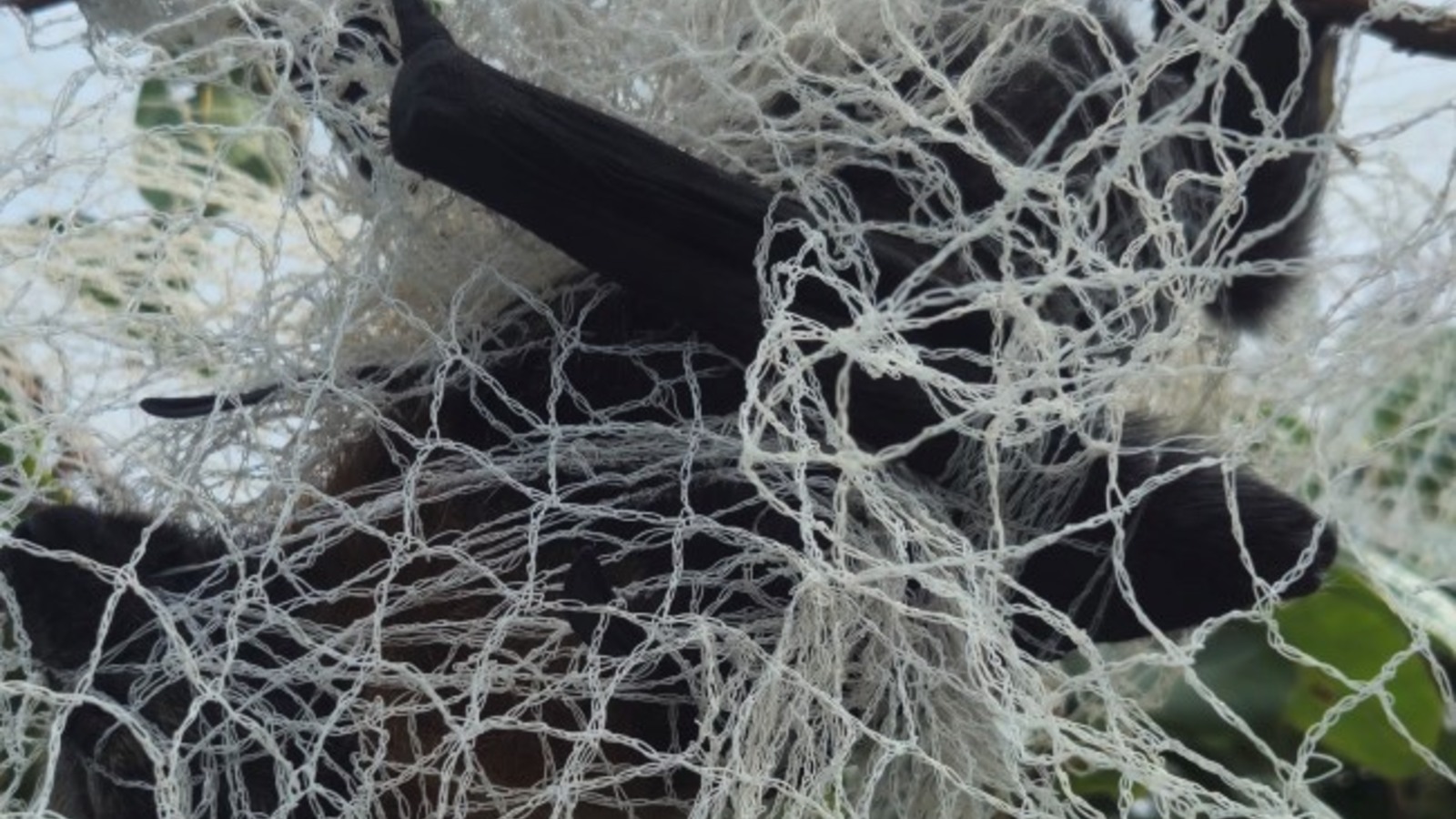
Tree netting is a common way to protect your fruit trees from birds and other fruit-eating animals. The wrong type of netting or incorrect installation can harm local wildlife. Native animals such as birds, bats, snakes, lizards, and possums can get tangled in large mesh netting, resulting in injury or death. In 2024, WIRES volunteers reported 22 rescues of wildlife caught in fruit tree netting in Eurobodalla.
Tips to help you choose the right tree netting
- Use netting with a hole size no larger than 5mm x 5mm at full stretch. You could also use the 'finger test' (you cannot poke your finger through the mesh). This protects the fruit and ensures wildlife doesn't get trapped.
- Use white netting so nocturnal wildlife can see it at night.
- Use netting with a strand diameter thicker than 500 microns or with a cross-weave design.
- Fix netting securely to the tree branches rather than allowing it to hang.
- Fasten the bottom of the net to the trunk of the tree. This prevents ground-dwelling animals from getting caught in the net and other animals from climbing up the tree.
- Consider using a frame to support the netting. This stops animals from reaching fruit through the net and helps protect the tree from the weight of the nets.
- Consider using smaller, individual fruit protection bags rather than netting the whole tree.
- Check your fruit trees every day for trapped or injured wildlife.
Dispose of your unwanted garden netting
Unused or discarded fruit nets are a major risk to wildlife, as they can get tangled in the netting.
- Only net your tree after blossoming has finished and fruit is starting to grow.
- Remove nets as soon as fruiting has finished and store them indoors or in a box.
- Use good quality nets as they last longer.
- Place old nets into a reused bag and put them in the bin.
Wildlife-friendly fencing
Wildlife-friendly fencing helps to protect wildlife from harm, injury, and entanglement. Barbed wire and poorly-designed fencing can create invisible barriers for native wildlife. Wire fencing is also very hard to see in the dark - especially near waterways and bushland edges. This means nocturnal animals (eg, flying-foxes, gliders, kangaroos, owls) are at extra risk.
Newly-built fences can catch wildlife by surprise along familiar routes, leading to injury. They can also stop wildlife from moving freely through the area.
How you can help
- use wildlife-friendly fencing on your property, especially near bushland edges, creek lines, wetlands, ridgelines, and wildlife corridors
- avoid building fences close to flowering or fruiting trees that attract wildlife
- avoid hinge-joint mesh/grid-style wire fence (if you must use mesh, create wildlife passage points)
- avoid barbed wire where possible.
- replace the top (or top two) strands with smooth or barbless twisted wire
- cover high-risk sections with white Polypipe (plastic pipe used to cover wire) or electric fence tape
- attach reflective tags to improve visibility
- use fewer strands (three or four rather than five)
- make the bottom wire high enough to allow animals to safely pass underneath.
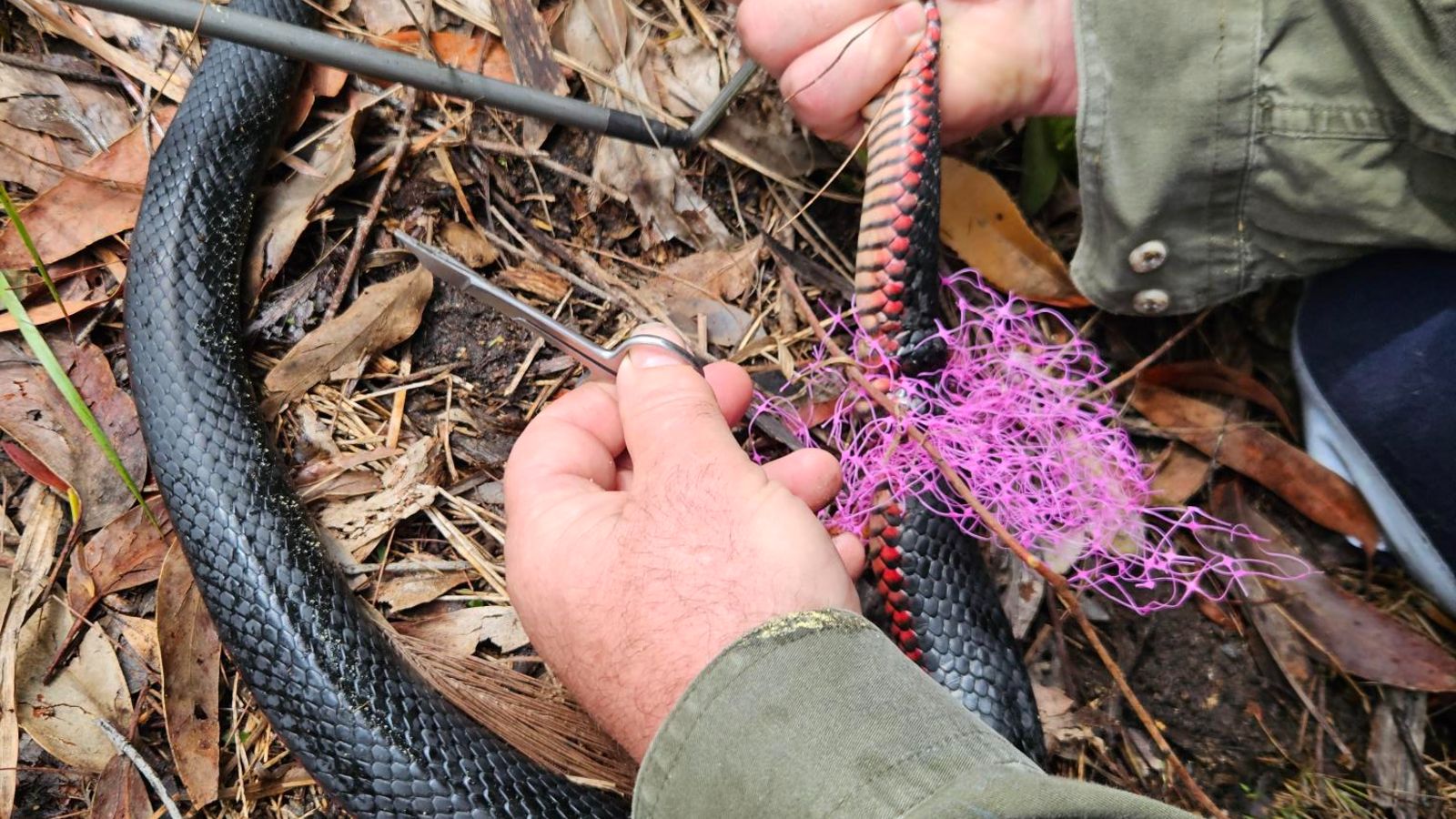


What to do if you find wildlife tangled in netting or fencing
If you find an injured or entangled animal, contact WIRES:
- T: 1300 094 737
- W: WIRES
You can also contact Wildlife Rescue South Coast:
- T: 0418 427 214 - north of Batemans Bay
- T: 0417 238 921 - south of Batemans Bay
- W: Wildlife Rescue South Coast
Learn more
Learn about wildlife-friendly tree netting and fencing:
- WIRES: Wildlife-friendly netting
- Wildlife-Friendly Fencing and Netting: Netting
- Wildlife-Friendly Fencing and Netting: Friendly fencing
- NSW Government: Wildlife-friendly fencing
Contact us
If you need more information about wildlife-friendly tree netting and fencing, contact Council's Natural Resource Officer:
- T: 4474 1000
- E: Natural Resource Officer